BusinessesChina Your Gateway to Chinese Business & Trade

BusinessesChina

Your Gateway to Chinese Business & Trade

Latest Articles

Counterintuitive Commerce: The Chinese Sectors Growing Stronger Because of US Tariffs
Trade & Supply Chain

Counterintuitive Commerce: The Chinese Sectors Growing Stronger Because of US Tariffs

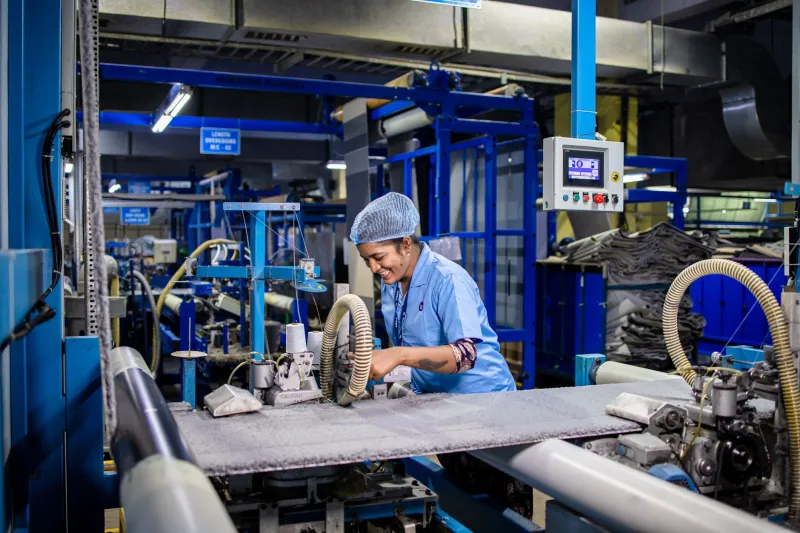
US tariffs were designed to pressure Chinese industry, but for select sectors, the restrictions have functioned more like a competitive shield. From rare-earth processing to specialty chemicals, certain Chinese industries are emerging from the trade conflict with consolidated market positions and accelerated innovation capacity — developments that carry significant implications for US procurement teams and sourcing strategists.

Building Business Trust in China Without Stepping Off the Plane: The Digital Transformation of Guanxi
Investment & Innovation

Building Business Trust in China Without Stepping Off the Plane: The Digital Transformation of Guanxi

Guanxi — the intricate web of relationships and mutual obligations that underpins Chinese business culture — has not disappeared in the digital age. It has evolved. For US companies seeking to establish credibility and deal flow in China without permanent in-country operations, understanding how relationship-building now functions across digital platforms, data-driven matchmaking services, and WeChat ecosystems is no longer optional — it is foundational.

State-Backed or Privately Owned? Why the Distinction Matters More Than You Think When Doing Business in China
Trade & Supply Chain

State-Backed or Privately Owned? Why the Distinction Matters More Than You Think When Doing Business in China

Many US executives enter Chinese markets without fully grasping the structural divide between state-owned enterprises and private firms — a gap in knowledge that can derail negotiations, distort competitive analysis, and create costly strategic missteps. Understanding how government mandates, patient capital, and political objectives shape SOE behavior is no longer optional for serious international business professionals. This guide breaks down what separates these two categories of Chinese ent

China's IP Landscape in 2025: What Has Actually Changed, What Hasn't, and How Smart US Companies Are Navigating It
Investment & Innovation

China's IP Landscape in 2025: What Has Actually Changed, What Hasn't, and How Smart US Companies Are Navigating It

The narrative that China offers no meaningful intellectual property protection is as outdated as the one claiming enforcement is now on par with Western standards. The reality in 2025 sits somewhere more nuanced — and more useful — than either extreme. This article draws on current legal expertise and on-the-ground experience from US manufacturers, software developers, and technology licensors to provide an honest assessment of where IP protection in China has genuinely improved, where significa

The Green Supply Chain Reality: How China's Dominance in Solar, Batteries, and EV Components Shapes US Energy Strategy
Investment & Innovation

The Green Supply Chain Reality: How China's Dominance in Solar, Batteries, and EV Components Shapes US Energy Strategy

China controls an extraordinary share of the global supply chain for renewable energy — from polysilicon and solar panels to lithium-ion battery cells and electric vehicle components. For US companies navigating the energy transition, this reality presents a complex mix of partnership opportunities, competitive pressures, and policy constraints that require careful strategic planning. The decisions American businesses make now about sourcing, investment, and manufacturing will define their compe

China's Logistics Machine: What US Businesses Must Know About the World's Fastest-Growing Delivery Networks
Trade & Supply Chain

China's Logistics Machine: What US Businesses Must Know About the World's Fastest-Growing Delivery Networks

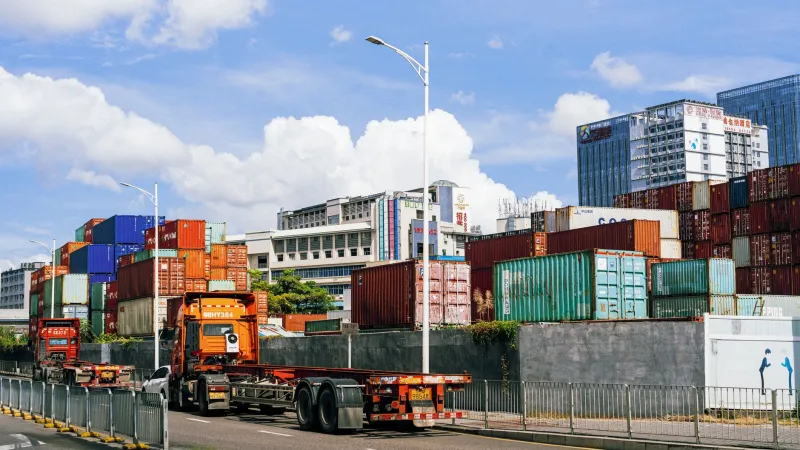
Chinese logistics giants like S.F. Express and ZTO are no longer confined to domestic operations — they are actively rewiring global delivery infrastructure in ways that directly affect US importers and e-commerce operators. Understanding how these networks function, where they are expanding, and how American businesses can respond is no longer optional. For companies managing international shipments or cross-border fulfillment, China's logistics dominance is a strategic variable that demands at

Who Controls the Ports Controls the Trade: China's Global Infrastructure Expansion and What It Means for US Importers
Trade & Supply Chain

Who Controls the Ports Controls the Trade: China's Global Infrastructure Expansion and What It Means for US Importers

Chinese port operators — both state-owned enterprises and private conglomerates — are quietly building one of the most consequential logistics networks in modern trade history. From East African terminals to South American container hubs, this infrastructure push is redrawing the map of global supply chains. For US companies sourcing from or shipping to China, understanding this shift is no longer optional.

When Innovation Flows East: Understanding Reverse Technology Transfer and the Strategic Choices Facing US Tech Firms
Investment & Innovation

When Innovation Flows East: Understanding Reverse Technology Transfer and the Strategic Choices Facing US Tech Firms

A generation ago, the prevailing assumption was that technology flowed in one direction — from Western innovators to Chinese manufacturers eager to climb the value chain. That assumption no longer holds. Chinese technology companies are now sophisticated acquirers of intellectual property, talent, and partnerships, and US firms navigating this landscape need a clearer framework for evaluating both the risks and the legitimate opportunities.

China's Consumer Brands Are Going Global — and Western Retailers Are Taking Notice
Investment & Innovation

China's Consumer Brands Are Going Global — and Western Retailers Are Taking Notice

A new generation of Chinese consumer brands is bypassing the wholesale and retail intermediaries that once defined international market entry, selling directly to shoppers in the US and Europe through digital channels with striking efficiency. Their rise is reshaping competitive dynamics across fashion, electronics, and home goods — and demanding a strategic response from American retailers and importers alike.

Tariff-Proof Your Supply Chain: How US Importers Are Staying Competitive in a Shifting Trade Climate
Trade & Supply Chain

Tariff-Proof Your Supply Chain: How US Importers Are Staying Competitive in a Shifting Trade Climate

As US-China trade policy continues to evolve, American importers are deploying increasingly sophisticated strategies to protect their margins without abandoning the supplier relationships they've spent years building. From tariff engineering to regional diversification, the playbook is more nuanced than headlines suggest. Here's what the most resilient companies are doing differently.

The Next Wave: 10 Under-the-Radar Chinese Tech Firms Drawing Serious US Investment Interest
Investment & Innovation

The Next Wave: 10 Under-the-Radar Chinese Tech Firms Drawing Serious US Investment Interest

While headlines fixate on Alibaba, Tencent, and ByteDance, a quieter cohort of Chinese technology companies is capturing the attention of US venture capitalists and strategic investors. These firms — operating in fields from industrial AI to biotechnology — represent a new frontier of Chinese-American commercial engagement. Here are ten names worth adding to your watchlist.

Beyond the Factory Floor: Why US Companies Are Quietly Rethinking Their China Manufacturing Ties
Trade & Supply Chain

Beyond the Factory Floor: Why US Companies Are Quietly Rethinking Their China Manufacturing Ties

A sweeping shift is underway as American retailers and manufacturers reassess decades-old sourcing relationships with Chinese suppliers. Driven by escalating tariffs, geopolitical friction, and hard lessons learned from pandemic-era disruptions, this movement is reshaping global commerce in ways that will define trade strategy well into 2025 and beyond. Here is what US importers need to understand before making their next sourcing decision.