Beyond the Coast: How Hefei, Chengdu, and Nanning Are Rewriting the Economics of China Sourcing
For two decades, the default map of China sourcing barely extended beyond the coastline. Shanghai for electronics, Shenzhen for everything with a circuit board, Ningbo and Suzhou for industrial components. That map is being redrawn — quietly, and from the inside out.
Cities like Hefei in Anhui province, Chengdu in Sichuan, and Nanning in Guangxi have spent the past decade building industrial parks, subsidizing factories, and courting exactly the kind of mid-sized manufacturers that US importers depend on. The result: a sourcing frontier where costs run 15 to 30 percent below coastal benchmarks and local governments compete aggressively for foreign buyers.
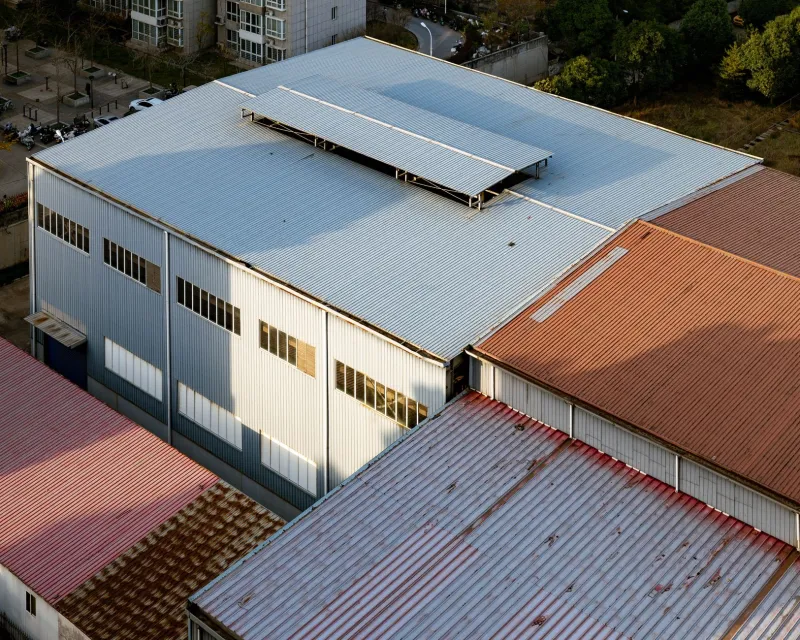
Why the Inland Hubs Are Winning Factories
Hefei is the case study economists love to cite. Once a provincial afterthought, the city made calculated bets on semiconductors, electric vehicles, and display panels — partly through a state-backed investment apparatus that took equity stakes in companies like BOE and NIO. Today it hosts one of the densest clusters of advanced manufacturing outside the coastal corridor, with wages roughly 20 to 25 percent below Shenzhen's.
Chengdu leverages something different: logistics reach. Its status as a rail hub on the China-Europe freight network means goods can move west by land, and its labor pool — fed by universities across Sichuan — supports precision manufacturing, medical devices, and consumer electronics. Nanning, meanwhile, positions itself as the gateway to ASEAN trade, a meaningful consideration for companies running hybrid supply chains that straddle China and Vietnam.
The Landed-Cost Math
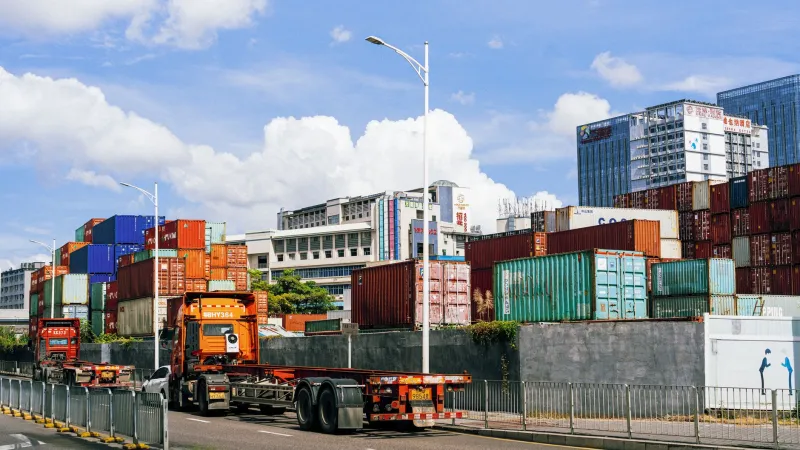
Sticker prices at inland factories are typically lower, but sophisticated buyers compare landed costs, not quotes. Inland production means longer drayage to port — often 1,500 to 2,000 kilometers to Shanghai or the coast — which can add $800 to $2,500 per container depending on the route and mode.
Even so, the math frequently favors the second-tier city. A mid-volume electronics assembly project quoted in Hefei at 18 percent below a Dongguan equivalent may surrender 3 to 5 points of that advantage to inland freight and still come out ahead — before accounting for government incentives, which in some districts include multi-year tax rebates, subsidized factory space, and relocation support for equipment.
The incentives deserve particular attention. Local governments in these hubs often negotiate directly with foreign-invested enterprises, and terms can be surprisingly flexible for buyers who commit to volume or multi-year relationships.
The Vetting Gap
Here is the complication: thinner English-language business infrastructure. In Shenzhen, a US buyer can find trade lawyers, third-party inspection firms, and English-fluent sales teams within a taxi ride. In Hefei or Nanning, that ecosystem is thinner, and the burden of verification shifts onto the buyer.
Practical steps for US procurement teams:
- Pull the business license and registration record through China's National Enterprise Credit Information system (gsxt.gov.cn) before any substantive conversation. Registered capital, scope of business, and legal representative details are all public.
- Commission an on-site audit through firms like QIMA, AsiaInspection, or a Big Four affiliate with inland reach. Factory audits in second-tier cities cost roughly the same as coastal ones — $300 to $800 — and reveal far more than a video call ever will.
- Check export history. Ask for the company's customs registration code and verify shipping records through panjiva.com or similar trade-data platforms. A factory that has never exported to North America carries onboarding risk.
- Use bilingual contracts. Insist on a Chinese-language version reviewed by counsel familiar with the local jurisdiction — disputes in inland cities are heard in local courts where foreign-language documentation helps less, not more.
Who Should Make the Move
Second-tier hubs are not for everyone. First-time importers with small orders may find coastal suppliers better equipped to handle English communication and small-batch flexibility. But for US companies scaling established product lines — particularly in electronics assembly, auto components, furniture, and textiles — the inland migration is already well underway, and the cost advantages compound annually.
The coastal cities built China's export machine. The next chapter is being written several hundred miles inland, and the buyers who learn that geography early will have a durable edge on landed cost.