Twenty Weeks, One Holiday: Building a US Importer's Cash and Cargo Calendar Around Chinese New Year 2027
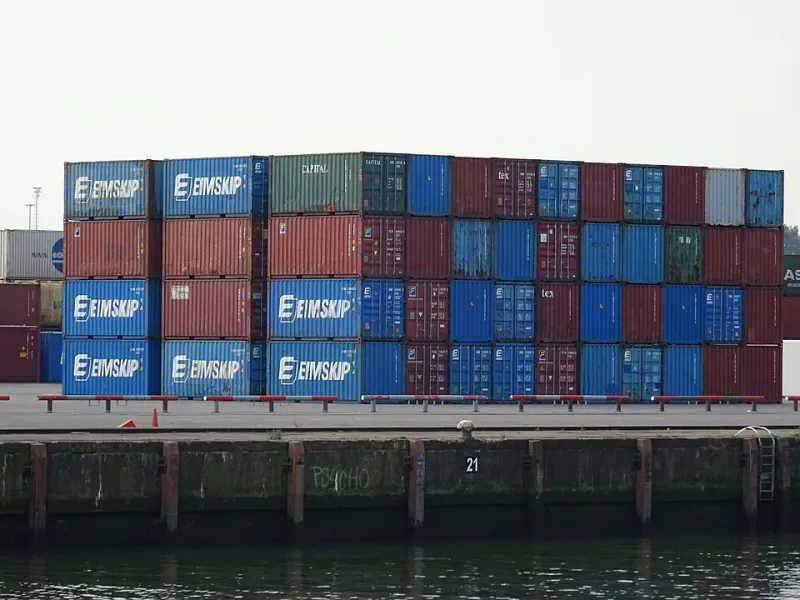
Photo: AgainErick, CC BY-SA 4.0, via Wikimedia Commons
The official holiday runs about eight days. The operational interruption runs closer to eight weeks, and the financial consequences run for a full quarter. For US importers planning around Chinese New Year 2027 — officially 6 February, with the Lantern Festival closing out the festive period on 20 February — the mistake is treating the date as a logistics footnote rather than a treasury event.
Why 2027 Lands Differently
Three conditions make this cycle tighter than the calendar alone suggests. First, the holiday arrives relatively early in the year, compressing the window between year-end planning and production cutoff. Second, inventory positions across many US import categories were kept deliberately thin through 2026, leaving little buffer to absorb a slow February ramp. Third, freight and tariff volatility during 2026 pushed many suppliers into tighter cash positions, which changes how they negotiate deposits and payment timing in the weeks before the break.
The holiday is not a pause button. It is a hard stop followed by a soft restart.
The Factory's Calendar Is Not Your Calendar
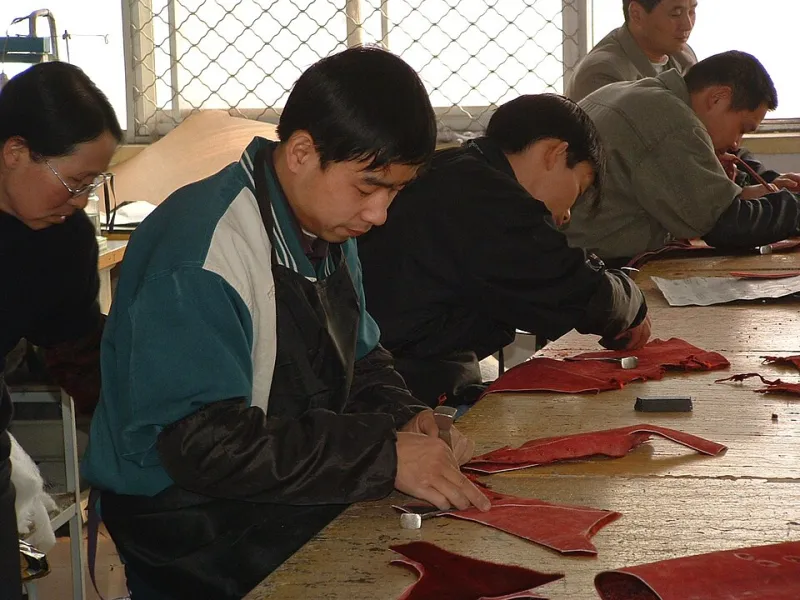
Production does not end when the official holiday begins. Migrant workers — a large share of the labor force in Guangdong, Zhejiang, and Fujian — begin departing in the first and second weeks of January to secure train tickets and travel home. Lines lose efficiency before they lose people. Most factories set a practical production cutoff somewhere between 10 and 20 January for orders that must ship before the break, and many stop accepting new material inbound well before that.
On the return side, the ramp is equally uneven. Workers trickle back after the holiday, and staffing typically stabilizes only after the Lantern Festival on 20 February. Some percentage of the workforce does not return at all; recruitment, onboarding, and retraining run through March. The annual legislative sessions in Beijing convene in early March, adding a period of policy attention that rarely accelerates anything on a factory floor.
The net effect: a factory that formally reopens on 15 February may not run at full efficiency until the second half of March.
The Working Capital Squeeze Nobody Budgets For
Chinese manufacturers face their own year-end obligations in January and February. Annual bonuses, including the customary thirteenth-month payment in many plants, fall due. Supplier payables are settled before the holiday as a matter of commercial custom. Bank facilities are renewed. The result is a predictable liquidity crunch that suppliers manage by asking customers for earlier and larger deposits.
For a US importer, this produces a specific cash-flow pattern that is easy to miss in a quarterly forecast. Cash leaves in December and January for deposits, while goods do not arrive until March and April. Then, in the same weeks the importer is paying balances, freight, duties, and any applicable tariffs on the post-holiday shipments, it is also funding the next production cycle. Receivables stretch, and the gap between cash out and cash in widens precisely when inventory carrying costs peak.
A Practical Planning Calendar
| Window | Action |
|---|---|
| Through 30 Nov 2026 | Lock forecasts with suppliers; place POs for Q1 and early Q2; confirm deposit percentages and payment dates in writing |
| December 2026 | Confirm raw-material orders with upstream suppliers, who also close; book ocean freight and confirm allocations; schedule pre-production samples |
| 1–15 Jan 2027 | In-process and pre-shipment inspections; final container cutoffs; documentary review before the holiday |
| 16–31 Jan 2027 | Shipments booked or rolled; expect port congestion and rate spikes; confirm vessel schedules twice |
| 6–20 Feb 2027 | Holiday. Confirm which staff remain reachable; avoid relying on factory-side document issuance |
| 20 Feb – mid-Mar 2027 | Labor return and ramp; highest quality-risk window of the year; plan for re-inspection on first post-holiday lots |
| Late Mar – Apr 2027 | Normalization; reset safety stock and reconcile actual lead times against plan |
Where the Money Actually Leaks
Four leaks account for most of the avoidable cost. Freight spikes in the pre-holiday booking window, when everyone ships at once. Air freight conversions for orders that slip past cutoff dates and must arrive by a retail window. Detention and demurrage, which climb when post-holiday vessel bunching overwhelms warehouse receiving capacity at US ports. Quality rework, when the first post-holiday production runs are staffed by new workers and inspected by no one.
Add to these the softer cost of carrying extra inventory through Q1 as insurance, and the true expense of an unplanned holiday is rarely the holiday itself.
Hedging the Timing Rather than Fighting It
Several tactics consistently reduce exposure. Split PO releases so that a portion of volume ships in December and a portion in mid-January, smoothing both the supplier's load and your cash outlay. Move a defined safety stock onto higher-margin, faster-moving SKUs rather than spreading inventory evenly. For time-sensitive programs, explore bonded warehousing or a foreign trade zone so goods can be staged without immediate duty outlay.
On terms, negotiate payment milestones against inspection rather than shipment — a structure that improved markedly for buyers who committed to multi-quarter volume. Line up revolving credit before December rather than in January, when the need is obvious to your own bank as well. And keep a running read on each key supplier's financial health through the quarter; holiday-period failures are not unusual among smaller plants, and they surface in late February as silence.
The instinct to "just order earlier" is sound but incomplete, because the upstream material chain closes on the same schedule. What actually protects a program is a written calendar, a cash forecast that reflects December outflows and March inflows rather than smoothing them, and a standing decision on which SKUs can wait if the ramp runs late.