When You Become the Second-Favorite Customer: Managing Supplier Capacity Before It Manages You
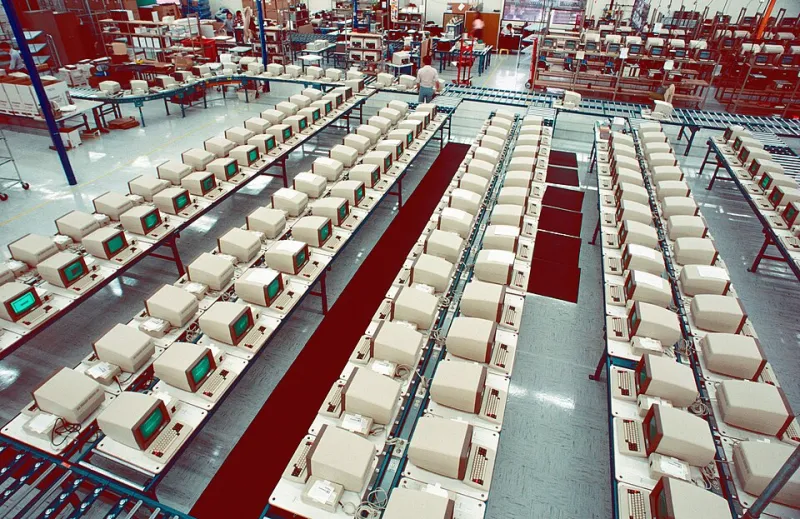
Photo: Cromemco, CC BY-SA 3.0, via Wikimedia Commons
Few events in a sourcing relationship feel as ambivalent as learning your Chinese manufacturer has just landed a larger American customer. On one hand, it validates your original vetting — the factory is clearly capable of winning serious business. On the other hand, your purchase orders now compete for the same machines, the same lines, and the same quality engineers as someone else's considerably larger ones.
This scenario plays out constantly across China's manufacturing base, and its consequences are rarely announced. Nobody sends a letter saying your account has been downgraded. The changes arrive as symptoms: slightly longer quoted lead times, a slower response to the engineering change request, a new inspector you have never met on your pre-shipment line check.
How the Deprioritization Actually Happens
Understanding the mechanics matters, because the process is usually rational rather than malicious. A factory that signs a large new client faces a genuine production-planning problem: the new volume must fit somewhere, and the path of least resistance is often to stretch existing accounts that have historically been flexible. Several patterns recur:
- Lead-time creep. Quoted production times extend by a week, then two. Because the increase is gradual, many buyers fail to notice until a seasonal deadline is at risk.
- Pricing leverage shifts. Your next annual negotiation lands differently when the supplier's order book is full. The discount conversation you expected becomes a modest increase conversation instead.
- Quality attention dilutes. Not that standards drop — but the most experienced line supervisors and QC staff migrate toward the largest-volume programs, and your inspections get newer hands.
- Priority on materials. During component shortages, allocation favors the biggest commitments. Your orders feel the shortage first and recover from it last.
Diversification as a Discipline, Not an Event
The standard advice — "diversify your supplier base" — is correct but incomplete. Most companies diversify once, usually after a crisis, and then let the second source atrophy. What actually protects an importer is treating supplier redundancy as an ongoing operating discipline with the same seriousness as cash-flow management.
Concretely, that means:
- Maintaining a genuine second source with live volume. A qualified backup that receives 10 to 20 percent of your orders remains warm, current, and motivated. A backup that receives nothing is a name in a spreadsheet.
- Tracking supplier dependency annually. If any single factory exceeds 60 to 70 percent of your volume in a category, that concentration should be a standing agenda item, not a discovery.
- Monitoring the supplier's customer mix. Ask questions at quarterly reviews. A factory adding a client twice your size is a planning signal, not gossip.
- Contractual anchors. Capacity reservation clauses, agreed lead-time standards with remedies, and tooling ownership terms give you leverage precisely when informal goodwill starts to thin.
Early Warning Signs Worth Acting On
The window between "supplier is getting busy" and "your order missed the boat" is typically one to two quarters. Watch for: response times on RFQs stretching from days to weeks; sample requests taking longer than contractually similar requests did a year ago; a pattern of partial shipments where full containers were once standard; and quality inspection reports that start arriving with less detail. Any two of these together warrant a direct conversation — and a quiet check on your alternative source's current capacity and pricing.
The Strategic Upside
There is a counterintuitive benefit here. Importers who respond to a supplier's growth by deepening their own planning professionalism — better forecasts, earlier bookings, formal capacity agreements — often emerge from the episode as a better customer in the supplier's eyes. The factories' largest clients are rarely simply the biggest spenders; they are the most predictable ones. Predictability, in China's manufacturing economy, is a currency you can accumulate at any order size.
The uncomfortable truth is that no supplier relationship is static. The moment your factory's growth outpaces yours, the balance of leverage has shifted — and the importers who thrive are those who noticed early, diversified deliberately, and negotiated from a position they built before they needed it.