Tariff-Proof Your Supply Chain: How US Importers Are Staying Competitive in a Shifting Trade Climate
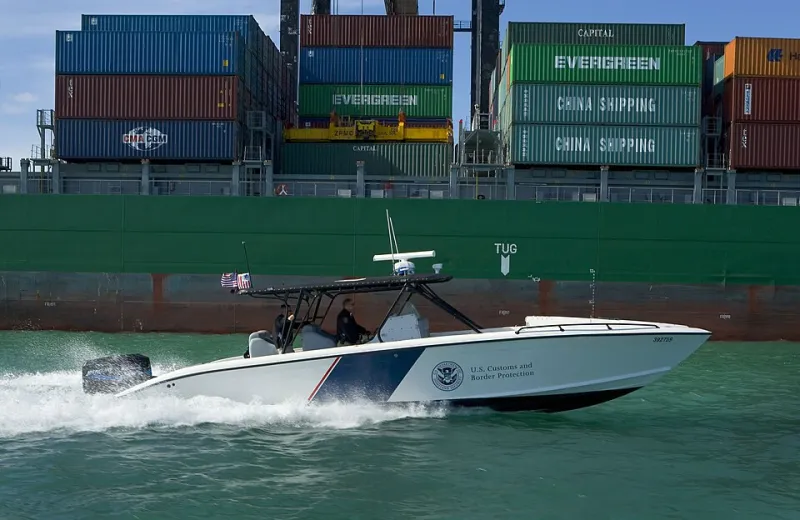
Photo: CBP Photography, Public domain, via Wikimedia Commons
For many American businesses, the word "tariff" has become synonymous with uncertainty. Since the initial rounds of Section 301 duties were imposed on Chinese goods beginning in 2018, US importers have faced a relentless cycle of escalations, exemptions, and policy reversals. Yet a significant number of companies have not only survived this turbulence — they've found ways to thrive within it.
The difference, seasoned trade professionals will tell you, lies not in reacting to tariff changes but in building systems that anticipate and absorb them. This article examines the concrete strategies US businesses are using today to maintain profitable, productive relationships with Chinese suppliers while minimizing their exposure to unpredictable duty structures.
Understanding the Tariff Landscape Before You Navigate It
The first step any serious importer must take is developing a clear-eyed view of which tariff lists apply to their product categories. The US Trade Representative's Section 301 tariffs are organized across four lists — commonly referred to as List 1 through List 4B — each targeting different product categories with duty rates ranging from 7.5% to 25%. Layered on top of these are existing Most Favored Nation (MFN) duties, antidumping orders, and, in some cases, countervailing duties.
Many importers make the costly mistake of treating tariffs as a fixed cost rather than a variable one. In reality, Harmonized Tariff Schedule (HTS) classification — the system that determines which duty rate applies to a given product — offers meaningful room for legitimate optimization. Experienced customs attorneys and licensed brokers can assess whether a product's current classification is the most accurate one available, a process often called tariff engineering.
One mid-sized California-based consumer electronics distributor, for example, discovered through a classification review that a line of smart home devices it had been importing under a 25% duty rate qualified under an alternative HTS code carrying a 7.5% rate. The reclassification, which was reviewed and confirmed by US Customs and Border Protection through a binding ruling request, reduced the company's annual duty liability by over $800,000.
First Sale Valuation: A Widely Overlooked Tool
Beyond classification, the valuation method used to calculate duties offers another avenue for cost reduction. Most US importers default to the transaction value of the goods at the time they enter the country — typically the price paid to a middleman or trading company. However, US Customs regulations permit importers to declare the "first sale" value in certain circumstances, meaning the original factory price paid by the trading company, rather than the marked-up resale price.
This approach can meaningfully reduce the dutiable value of imported merchandise, particularly in supply chains that include a Hong Kong or third-country intermediary. Implementing first sale valuation requires careful documentation — including factory invoices, proof of payment, and evidence that the goods were destined for US export at the time of the first transaction — but the compliance investment is frequently justified by the savings generated.
Diversification Without Abandonment
Much of the mainstream business press has framed the US-China trade relationship as a binary choice: stay or leave. The reality on the ground is considerably more nuanced. The majority of US companies that have diversified their sourcing since 2018 have done so selectively, maintaining their Chinese supplier relationships for certain product categories while shifting others to Vietnam, India, Mexico, or elsewhere.
This "China Plus One" model — now standard language in global procurement circles — allows companies to reduce concentration risk without forfeiting the cost efficiencies, production scale, and quality consistency that Chinese manufacturers have spent decades developing. A Chicago-based housewares importer described their approach as a deliberate split: high-complexity, precision-manufactured components remained sourced from established Guangdong factories, while lower-margin commodity products shifted to a new supplier base in northern Vietnam.
The transition was not without friction. Lead times extended during the qualification period, and first-run quality from the Vietnamese facilities required additional oversight. But within 18 months, the company had effectively insulated roughly 40% of its product line from Section 301 duties while preserving the supplier relationships that underpinned its highest-margin offerings.
Bonded Warehouses and Foreign Trade Zones
For importers managing large inventory volumes, US Foreign Trade Zones (FTZs) and bonded warehouses present another layer of strategic flexibility. Goods stored in an FTZ are considered outside US customs territory for duty purposes, meaning importers can defer — and in some cases reduce — duty payments until goods are formally entered into US commerce.
Manufacturers operating within FTZs may also qualify for "inverted tariff" relief, where the duty rate on a finished product is lower than the rate on its imported components. This is particularly relevant for companies assembling or further processing Chinese-origin components within the United States.
Renegotiating With Suppliers: A Conversation Worth Having
Perhaps the most underutilized strategy in the US importer's toolkit is direct supplier negotiation. Many Chinese manufacturers, particularly those with established US customer bases, have demonstrated willingness to share tariff burdens through price adjustments, volume commitments, or product redesigns that alter classification outcomes.
The key is approaching these conversations with transparency and data. Suppliers who understand the full landed cost pressure their US partners are operating under are often more accommodating than importers expect — especially when the alternative is losing a long-term customer to a competitor in a lower-tariff jurisdiction.
Building for the Long Game
The businesses navigating today's trade environment most effectively share a common characteristic: they treat supply chain strategy as a continuous discipline rather than a crisis response. They invest in customs expertise, maintain open lines of communication with Chinese partners, and build enough structural flexibility into their sourcing models to adapt when the next policy shift arrives.
The US-China trade relationship, whatever its current political temperature, remains one of the most commercially significant bilateral arrangements in the world. For American importers willing to engage with its complexity rather than retreat from it, the opportunities remain substantial.